The Impact of Rain on Your Pool Heater’s Efficiency (And What to Do About It)
| Sunday September 20, 2026
Rainy weather becomes increasingly common in the latter half of the year in the Philippines. According to the Philippine Atmospheric, Geophysical and Astronomical Services Administration (PAGASA), the country’s rainy season officially begins in June, bringing months of frequent rainfall across many areas. During this period, homeowners may notice a significant cooling effect of rain on pools in the PH.
Pool heaters are useful tools for the colder wet season, keeping your swimming pool ready for more flexible use throughout the day. However, rain may affect its heating performance. To ensure your heater remains optimal, here is a guide to understanding pool heater performance in the rainy season and how to maintain it.
Key Takeaway
In this blog, you’ll discover:
- How rainy weather affects pool heater performance
- Simple maintenance practices that support reliable operation
- Why pool heaters are valuable for the wet season
- How the right heating solution helps you enjoy your pool year-round
How Rain Can Affect Your Pool Heater
Rain does not directly damage a properly installed pool heater. However, cooler weather and changing outdoor conditions can affect how long the system must run to maintain your preferred water temperature.
Fortunately, small adjustments and routine care can reduce unnecessary strain on the system while supporting dependable performance.
Rain Lowers Pool Water Temperature
Rainwater is usually cooler than the water already in your pool. As fresh rainwater mixes with the pool, the heater must replace the heat lost before the water reaches your preferred temperature again. Frequent temperature fluctuations may also cause the system to run longer than usual.
Using a pool cover after rainfall helps retain heat and slows down heat loss. Moreover, keeping the thermostat at a consistent setting allows the heater to maintain the temperature better than constantly adjusting.
Heavy Rain Brings Extra Debris
Aside from lowering water temperature, the effect of heavy rain can cause leaves, dirt, and other debris to enter the pool. These contaminants affect water quality and place additional demand on the filtration system.
Cleaning the pool shortly after a storm prevents debris from building up. Consider removing leaves from the skimmer basket and checking the pool surface to support smoother heating performance.
Water Circulation Affects Heating Performance
A pool heater relies on proper water circulation to distribute heat evenly. Reduced pump efficiency may leave some areas cooler than others while prolonging the heating process.
As a solution, regularly check the pump and filter to ensure consistent water movement. Good circulation allows heated water to spread more evenly and supports steady pool temperatures.
Routine Maintenance Prevents Bigger Problems
Pool heaters often work harder during long periods of wet weather. Without regular care, small issues may gradually affect overall performance.
Scheduling heater maintenance before or during the rainy months keeps the system in good condition. Professional services can identify and repair worn components early, especially after weeks of heavy rain in the PH.
The Importance of Pool Heaters During the Rainy Season
Pool water can feel noticeably cooler and less inviting during the wet season, especially when cloudy skies limit natural warming. With the right water heater in the Philippines, homeowners can make better use of their pool throughout the season:
- Steady Water Temperature: Maintains a more comfortable swimming temperature despite changing weather.
- Extended Pool Use: Makes early morning, evening, and rainy-day swims more enjoyable.
- Suitable for Pools and Spas: Supports regular use in residential pools and spa areas year-round.
- Less Dependence on Sunny Weather: Keeps the pool usable even during cloudy weeks.
Choosing a Heater That Fits Your Pool and Home Setup
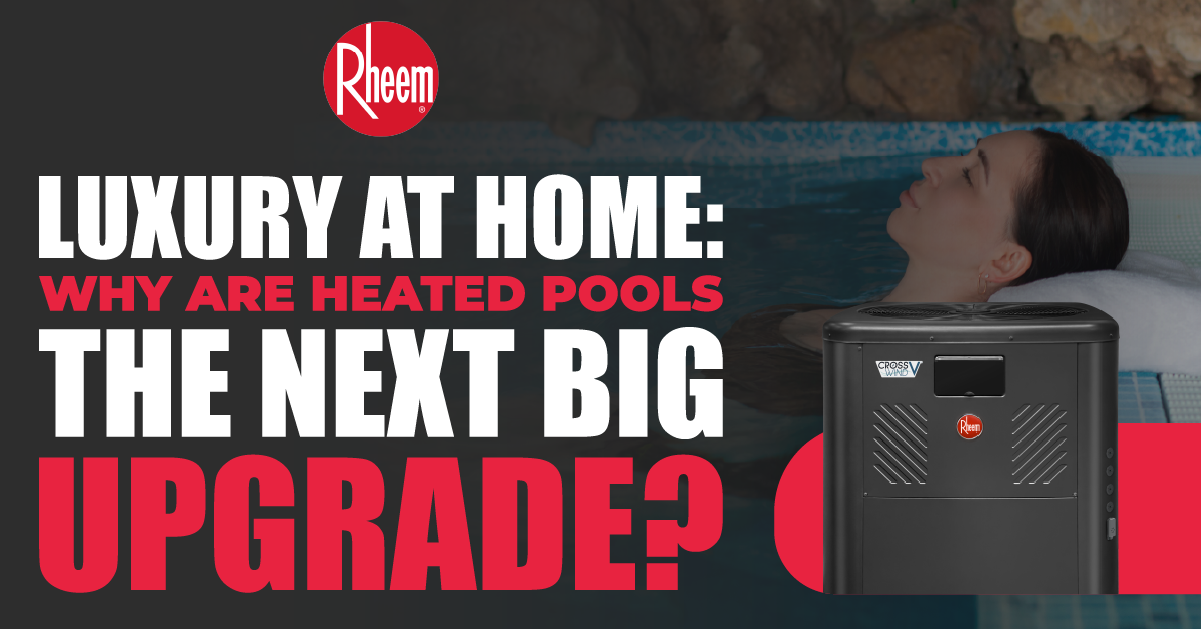
For homeowners looking for dependable options, Rheem’s pool and spa heat pumps and tankless electric water heaters offer practical solutions for everyday residential hot water needs.
Before deciding which setup works best for your home, it helps to look at a few practical factors:
- Pool Size – Larger pools require high-powered heat pumps, while smaller ones work well with compact options.
- Heating Needs – Determine if you want continuous, energy-efficient temperature maintenance or on-demand heating for occasional spa use.
- Energy Use – Look for systems with high coefficients of performance (COP).
- Maintenance Requirements – Choose a system with durable, corrosion-resistant parts.
Keep Your Pool Ready Rain or Shine
Rain may cause your pool heater to work a little harder, but it does not have to interrupt your swimming plans. If you’re looking for dependable solutions from trusted water heater brands, Rheem Philippines offers a range of world-class water heating products for a variety of home comfort needs. For inquiries or more product information, get in touch by completing our contact form.